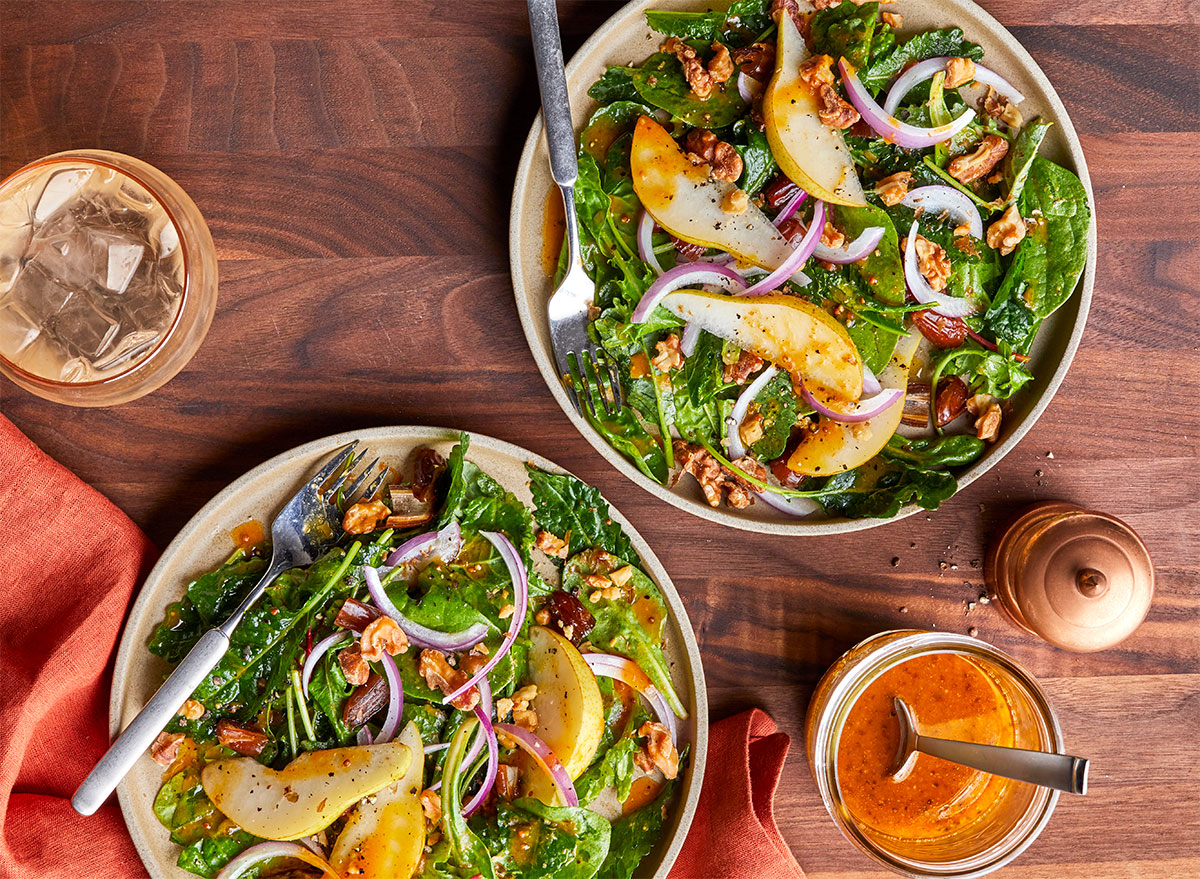
Boost Your Health: The Surprising Benefits of Daily Salads
When you picture "healthy eating," a vibrant salad often comes to mind. Yet, for many, the idea of incorporating a salad into their daily routine feels like a chore, a bland obligation rather than a delicious indulgence. What if we told you that not only is it entirely possible to enjoy a daily salad, but that doing so can profoundly transform your health and wellness?
The truth is, embracing a daily salad habit doesn't have to mean endless bowls of iceberg lettuce and watery tomatoes. With a little creativity, smart preparation, and a willingness to explore, you can discover how to eat salad every day and genuinely enjoy it. Far from a restrictive diet, daily salads offer a gateway to a richer, more nutrient-dense lifestyle that can leave you feeling energized, satisfied, and thriving.
The Undeniable Health Benefits of a Daily Salad Habit
Beyond being a cornerstone of nearly every popular diet—from Mediterranean to Paleo and vegetarian—salads are a versatile powerhouse for boosting overall health. Here’s what happens to your body when you make daily salads a regular part of your diet:
- Nutrient Density and Enhanced Vitamin Intake: Daily salads, especially those packed with dark leafy greens like spinach, kale, and romaine, are brimming with essential vitamins and minerals. Think Vitamin K for bone health, Vitamin C for immunity, Vitamin A for vision, and a spectrum of B vitamins for energy. A consistent intake of these micronutrients supports virtually every bodily function.
- Fiber Power for Digestive Health: One of the most significant advantages of eating salads daily is the substantial increase in dietary fiber. Fiber is crucial for a healthy digestive system, aiding in regular bowel movements, preventing constipation, and feeding beneficial gut bacteria. A thriving gut microbiome is linked to improved immunity, mood regulation, and even healthier skin.
- Effective Weight Management: Salads are inherently low in calories but high in volume and nutrients, making them incredibly filling. By replacing heavier, less nutritious meals with a well-constructed salad, you can significantly reduce your caloric intake while feeling satisfied, making weight loss or maintenance more achievable without feeling deprived.
- Potent Antioxidant Boost: The vibrant colors in a diverse salad aren't just pretty; they signify a rich concentration of antioxidants. These compounds combat oxidative stress and inflammation in the body, which are precursors to numerous chronic diseases, including heart disease and certain cancers.
- Improved Heart Health: Ingredients commonly found in healthy salads, such as leafy greens, colorful vegetables, nuts, seeds, and olive oil, are known to support cardiovascular health. They can help lower cholesterol levels, regulate blood pressure, and reduce the risk of heart disease.
- Natural Hydration: Many salad ingredients, especially lettuce, cucumbers, and tomatoes, have high water content, contributing to your daily hydration needs. Proper hydration is vital for energy levels, skin health, and overall bodily function.
Mastering the Art of Daily Salad Enjoyment: It's Easier Than You Think
The biggest hurdle for many is the perception that salads are boring or require too much effort. But with a few simple strategies, you can transform your relationship with salads and make them a highlight of your day.
The Meal Prep Advantage
The secret to consistent, enjoyable daily salads lies in efficient meal prep. Dedicate a short block of time once a week (many find Sunday works best) to prepare the foundational elements of your salads. This small investment of time pays off immensely during busy weekdays.
- Wash and Chop Your Greens: Purchase large containers of mixed greens, spinach, or romaine. Wash them thoroughly and dry them well. Line your storage containers with a paper towel to absorb excess moisture, which keeps greens and other vegetables fresh for several days.
- Chop and Store Your Veggies: Prepare a variety of vegetables that hold up well in the fridge. Think bell peppers (various colors), carrots, cucumbers, celery, radishes, cherry tomatoes, red onion, broccoli florets, and cauliflower. Store them in separate airtight containers or layered in your salad containers.
- Prep Your Proteins: Don't limit yourself! Leftover grilled chicken, steak, ground turkey, or roasted fish from dinner can be perfectly repurposed for salads. You can also cook a batch of hard-boiled eggs, bake some tofu, or simply open a can of chickpeas or black beans for quick protein boosts.
- Build Your Base: Use 6 large containers, lining each with a paper towel. Layer your washed greens and then your pre-chopped vegetables. Keep proteins, dressings, and crunchy toppings separate until just before eating to maintain freshness and prevent sogginess. For more detailed meal prep tips, check out our guide on How to Eat Salad Every Day & Enjoy It: Easy Meal Prep Secrets.
Beyond Basic Greens: The Flavor Revolution
The key to never getting bored with daily salads is embracing variety in textures, flavors, and ingredients. This is where you truly learn how to eat salad every day and crave it!
- Embrace Unexpected Crunch: Gone are the days of limp salads. Introduce exciting textures with toasted nuts (walnuts, pecans, almonds), seeds (pumpkin, sunflower, chia), crispy roasted chickpeas, crunchy croutons, or even a sprinkle of crushed corn chips for a salty, satisfying bite. This simple addition can be a total game-changer, making a salad feel less like a health food and more like a treat.
- Diverse Proteins for Sustained Energy: Rotate your protein sources. Beyond chicken and beef, consider flaky salmon, shrimp, kidney beans, black beans, lentils, crumbled feta or goat cheese, grilled halloumi, or even tempeh. Protein is essential for satiety and keeping hunger at bay.
- Add Fruits and Healthy Fats: Sliced apples, pears, berries, or mandarin oranges can add a burst of sweetness and freshness. Creamy avocado, olives, and a drizzle of extra virgin olive oil in your dressing provide healthy fats that aid in nutrient absorption and keep you full.
- Experiment with Dressings: Homemade dressings are often healthier and more flavorful than store-bought options. Whisk together olive oil, vinegar (balsamic, red wine, apple cider), Dijon mustard, honey or maple syrup, and herbs. Explore creamy options with Greek yogurt or tahini. The dressing can completely transform the character of your salad.
- Roast Your Veggies: Don't just stick to raw! Roasted sweet potatoes, Brussels sprouts, broccoli, or asparagus add depth, warmth, and a different texture profile to your salad.
- Go Global: Draw inspiration from different cuisines. Think Greek salads with olives and feta, Mexican-inspired salads with black beans and corn, Asian salads with edamame and sesame dressing, or a hearty Cobb salad. For an abundance of creative ideas, explore our article on Endless Salad Ideas: Make Daily Salads Exciting & Delicious.
Crafting Your Perfect Salad: A Formula for Success
To ensure your daily salad is both delicious and nutritionally balanced, follow this simple formula:
- The Foundation (Greens): Start with a generous base of mixed greens. Don't be afraid to combine different types for varied textures and nutrients.
- Vibrant Veggies (Color & Nutrients): Add at least 3-4 different non-starchy vegetables, aiming for a rainbow of colors. Include both raw and potentially roasted options.
- Protein Power (Satiety & Muscle): Choose a lean protein source (4-6 oz) to make your salad a complete meal. This is crucial for sustained energy and preventing hunger pangs later.
- Healthy Fats (Flavor & Absorption): Include a source of healthy fats like a quarter of an avocado, a tablespoon of nuts or seeds, or a good quality olive oil in your dressing.
- Complex Carbohydrates (Optional Energy Boost): For a heartier, more satisfying meal, consider adding a small portion of complex carbs like quinoa, farro, roasted sweet potato, or even a handful of whole-grain croutons.
- Flavor Boosters (The Fun Stuff): This is where you add that extra something special: a sprinkle of cheese, a few olives, some fresh herbs, or a small amount of dried fruit.
- Dress it Right: Opt for lighter, vinaigrette-based dressings or creamy dressings made with healthy bases like Greek yogurt. Portion control is key here; even healthy dressings can be high in calories if overused.
Addressing Common Concerns: Can You Really Eat Salad Every Day?
A common question arises: "Is it okay to eat salad every day?" The answer is a resounding yes, provided you approach it thoughtfully.
- Variety is Your Best Friend: The most important advice is to vary your ingredients. Eating the same salad day in and day out will not only lead to boredom but also to a potential lack of diverse nutrients. By rotating your greens, vegetables, proteins, and toppings, you ensure your body receives a wide spectrum of vitamins, minerals, and phytonutrients.
- Ensure Nutritional Balance: A daily salad should be a complete meal, not just a side dish. Make sure it includes a good source of protein, healthy fats, and complex carbohydrates (if desired) in addition to your greens and vegetables. A salad consisting only of lettuce and tomato, for example, won't provide adequate nutrition.
- Beware of Hidden Calorie Bombs: While salads are generally healthy, it's easy for them to become high-calorie meals with excessive amounts of creamy dressings, fried toppings, candied nuts, or fatty cheeses. Be mindful of your additions and practice portion control.
- Listen to Your Body: If you're new to a high-fiber diet, you might experience some digestive changes initially. Gradually increase your fiber intake and drink plenty of water. If you feel good and energized, keep enjoying your daily salads!
Conclusion
Embracing a daily salad habit is a powerful, yet surprisingly simple, way to significantly boost your health and well-being. By following smart meal prep strategies, experimenting with diverse ingredients, and understanding how to eat salad every day in a balanced and enjoyable way, you can transform a once-dreaded healthy meal into a delicious, satisfying, and health-affirming ritual. Stop thinking of salads as boring and start seeing them as your canvas for culinary creativity and vibrant health. Your body will thank you for it.
