How to Eat Salad Every Day & Enjoy It: Easy Meal Prep Secrets
For many, the idea of eating salad every day conjures images of bland, repetitive greens and a sense of dietary duty rather than delight. You might be wondering, "Is it truly possible to enjoy a salad daily?" The answer is a resounding yes! Not only can you make daily salads a delicious and exciting part of your routine, but with the right approach to meal prep, it can become incredibly simple. This comprehensive guide will show you how to eat salad every day and genuinely look forward to it, transforming your health and your palate along the way.
Salads are a cornerstone of healthy eating, packed with vital nutrients, fiber, and antioxidants. Incorporating them into your daily diet can boost energy, aid digestion, support weight management, and contribute to overall well-being. But the key to consistency isn't just knowing it's good for you; it's making it enjoyable and effortless. Forget the soggy, uninspired salads of the past. We're about to unlock the secrets to vibrant, flavorful, and incredibly convenient daily salads.
The "Fritos" Revelation: Making Salad Fun Again
Perhaps one of the most transformative insights into daily salad enjoyment comes from an unexpected place: the humble corn chip. The idea of adding a handful of Fritos to a salad might sound unconventional, even a little rebellious, but it highlights a crucial truth: salads don't have to be strictly "healthy" in a restrictive sense to be beneficial. Sometimes, a touch of unexpected flavor and texture is all it takes to shift your perspective and make salad-eating a genuinely enjoyable experience.
What makes this "Fritos phenomenon" so effective? It's the delightful combination of salty crunch, a satisfying bite-size form, and the sheer novelty. It reminds us that salad life extends far beyond just greens and raw vegetables. This principle can be applied broadly:
- Embrace Texture: Salads often fall flat due to a lack of textural variety. Think beyond croutons! Add roasted nuts, seeds, crispy chickpeas, wonton strips, or even a sprinkle of crumbled tortilla chips or seasoned plantain chips for that satisfying crunch.
- Seek Flavor Contrasts: A great salad balances sweet, savory, salty, and acidic notes. A tangy dressing, a sprinkle of salty cheese, sweet dried cranberries, or savory grilled chicken can elevate the entire dish.
- Don't Be Afraid of the "Unexpected": While Fritos might be an extreme example for some, it teaches us to be creative. What about a sprinkle of toasted coconut, a handful of spicy kimchi, or even fresh fruit like apple slices or orange segments? These additions can turn a mundane meal into a culinary adventure, making you genuinely excited to eat salad every day.
The goal isn't to make your salad unhealthy, but to make it so appealing that you want to eat it. By allowing for small, joyful additions, you create a sustainable habit rather than a chore.
Master the Art of Salad Meal Prep for Daily Enjoyment
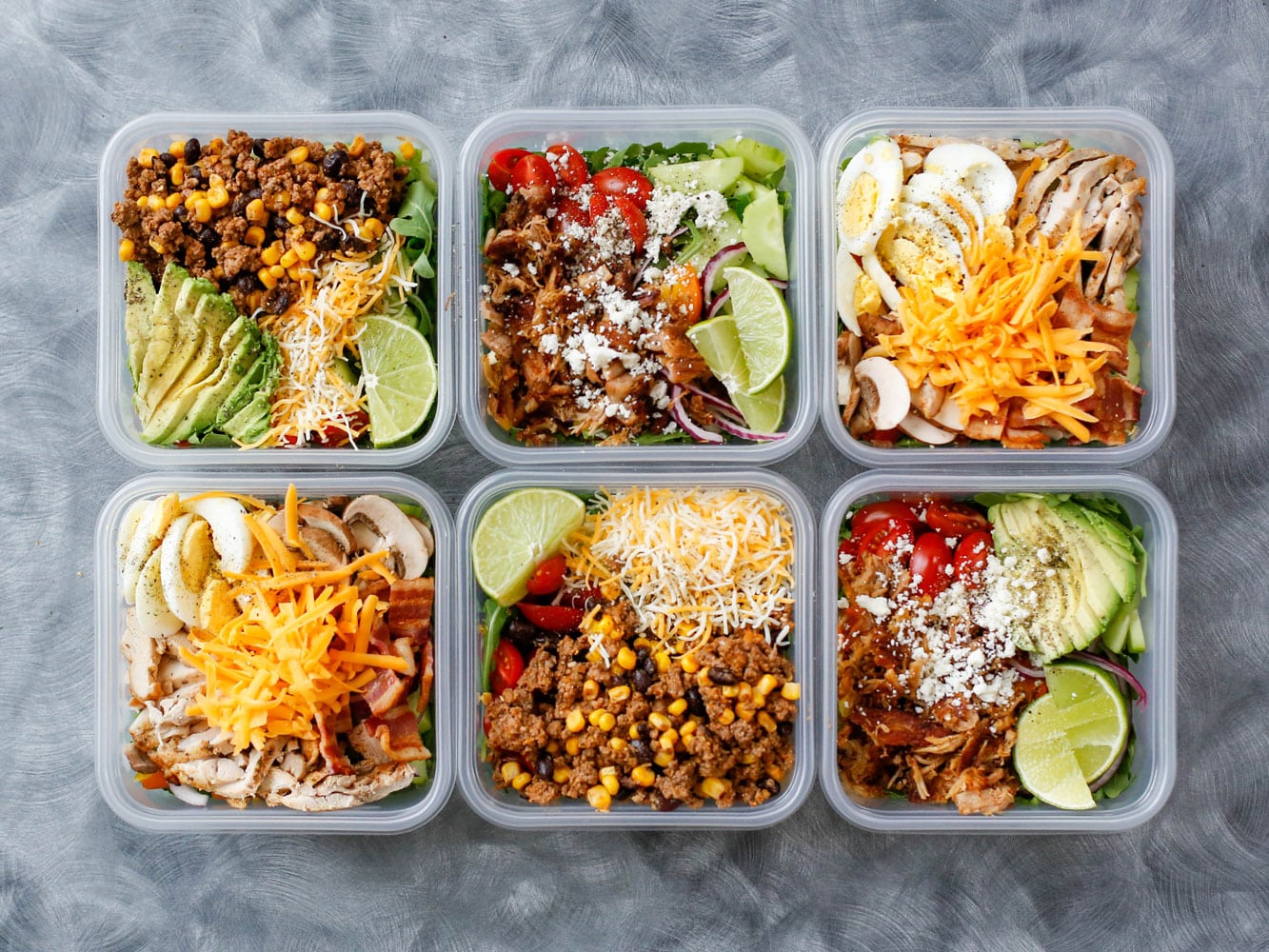
The single most effective strategy for making daily salads a reality is intelligent meal preparation. If you wait until lunchtime to assemble a salad from scratch, the effort often feels overwhelming. Dedicating just 30-45 minutes once a week, typically on a Sunday, can provide you with ready-to-assemble components for days, keeping your healthy eating on track without mid-week fuss.
Smart Storage for Lasting Freshness
Preventing soggy greens and wilting vegetables is paramount to enjoying your daily salad. The secret lies in proper storage:
- Utilize Large Containers: Choose airtight containers, ideally glass, as they don't absorb odors and are easy to clean. You'll want several, perhaps 4-6, depending on how many days you're prepping for.
- The Paper Towel Trick: Line each container with a dry paper towel before adding your greens and washed, chopped vegetables. The paper towel absorbs excess moisture, which is the enemy of freshness, significantly extending the life of your produce in the refrigerator.
- Layering is Key: Store sturdier vegetables (like bell peppers, carrots, cucumbers, radishes, cherry tomatoes) at the bottom, then add your more delicate greens (spinach, mixed greens, romaine) on top. This prevents the greens from getting crushed and allows them to breathe.
- Separate Wet from Dry: Ingredients like avocado (prone to browning), creamy dressings, and anything with high moisture content should be stored separately and added just before serving.
With this method, your prepped greens and most vegetables can stay fresh and crisp for 4-5 days, ready to be transformed into a delicious meal in minutes.
Batch Cooking Proteins & Grains
A satisfying salad needs substance, and that often comes in the form of protein and healthy carbohydrates. Integrating these components into your weekly meal prep is a game-changer:
- Leftover Leverage: Anytime you grill chicken, steak, fish, or roast a turkey breast for dinner, make a little extra. Thinly slice or shred the leftovers and store them in separate containers for your salads.
- Dedicated Batch Cooking: Cook a couple of pounds of ground beef or turkey (seasoned lightly, perhaps with taco seasoning or Italian herbs), hard-boil a dozen eggs, roast a tray of chickpeas, or bake some salmon fillets specifically for your salads.
- Cooked Grains: Prepare a batch of quinoa, farro, brown rice, or lentils. These add complex carbohydrates, fiber, and texture, making your salad more filling and balanced.
Having these elements ready to go means you're just a scoop away from a complete meal, significantly reducing mid-week cooking fatigue and making it easier to eat salad every day.
Dressing on the Side: The Golden Rule
One of the quickest ways to ruin a perfectly good salad is to dress it too early. A pre-dressed salad will inevitably turn soggy and unappetizing. Always, always, always keep your dressing separate until you're ready to eat.
- Small Containers: Invest in small, leak-proof dressing containers that you can pack alongside your salad components.
- Dress Just Before Eating: Add your dressing right before you're about to enjoy your salad, giving it a quick toss to distribute the flavor without sacrificing crispness.
Beyond the Basics: Endless Salad Combinations & Flavor Boosters
Preventing salad boredom is key to a sustainable daily habit. The beauty of salads lies in their infinite versatility. Once you've mastered the prep, the fun truly begins with creativity. For a deeper dive into inspiring combinations, explore Endless Salad Ideas: Make Daily Salads Exciting & Delicious.
Mix Up Your Greens
Don't stick to just one type of lettuce. Varying your greens introduces different textures, flavors, and nutrient profiles:
- Mild & Crisp: Romaine, Butter Lettuce, Iceberg (in moderation for crunch).
- Peppery & Bold: Arugula, Watercress, Radicchio.
- Nutrient-Dense: Spinach, Kale (massaged with a little oil and lemon juice to tenderize), Mixed Spring Greens.
Embrace a Rainbow of Vegetables
The more colors, the more nutrients! Think beyond raw carrots and cucumbers:
- Raw: Bell peppers (all colors), snap peas, radishes, shredded cabbage, jicama.
- Roasted: Sweet potatoes, broccoli, cauliflower, Brussels sprouts, asparagus, bell peppers, onions. Roasting brings out natural sweetness and a softer texture.
- Pickled/Fermented: Pickled onions, jalapeños, olives, sauerkraut, kimchi add a tangy punch and probiotics.
The Power of Healthy Fats & Fiber
These additions make your salad more satisfying and boost nutrient absorption:
- Avocado: Creamy, healthy fats. Add just before eating.
- Nuts & Seeds: Walnuts, pecans, almonds, pumpkin seeds, sunflower seeds, chia seeds, flax seeds. Offer crunch, healthy fats, and fiber.
- Legumes: Chickpeas, black beans, cannellini beans, edamame. Great sources of plant-based protein and fiber.
DIY Dressings for Flavor Control
Homemade dressings are a game-changer. They're fresher, free from unwanted additives, and infinitely customizable:
- Vinaigrettes: Olive oil, vinegar (balsamic, red wine, apple cider), Dijon mustard, honey/maple syrup, salt, pepper, herbs.
- Creamy: Greek yogurt or tahini-based dressings with lemon juice, garlic, and herbs.
- Citrus-Based: Fresh lemon or lime juice with olive oil, a pinch of zest, and a touch of agave or honey.
Experimentation is key to discovering your favorite combinations and keeping your daily salads exciting.
The Health Payoff: Why Eating Salad Every Day is Worth It
Beyond the deliciousness and convenience, the primary motivation for learning how to eat salad every day is the significant health boost it provides. Salads, when constructed wisely, are powerhouses of nutrition.
When you commit to daily salads, you're not just eating "a salad"; you're consistently consuming a high volume of vegetables, fruits, lean proteins, and healthy fats. This habit delivers a cascade of benefits:
- Increased Nutrient Intake: You'll naturally consume more vitamins, minerals, and antioxidants essential for cellular health, immune function, and disease prevention.
- Enhanced Fiber Intake: The abundant fiber in vegetables and legumes promotes healthy digestion, regularity, and can help regulate blood sugar levels. Fiber also contributes to a feeling of fullness, which can aid in weight management.
- Improved Hydration: Many salad ingredients, like lettuce, cucumbers, and tomatoes, have high water content, contributing to your daily hydration needs.
- Support for Weight Management: By filling up on nutrient-dense, lower-calorie vegetables and lean proteins, you're less likely to overeat less healthy options.
- Reduced Inflammation: The antioxidants and phytonutrients in fresh produce have anti-inflammatory properties, supporting overall health and reducing the risk of chronic diseases.
- Better Gut Health: The fiber and diverse plant compounds in salads can feed beneficial gut bacteria, leading to a healthier microbiome.
Many people report increased energy, clearer skin, and improved mood after incorporating daily salads into their routine. If you're looking for more detailed information on the health benefits, be sure to read Boost Your Health: The Surprising Benefits of Daily Salads.
Conclusion
Eating salad every day doesn't have to be a monotonous chore; it can be a delightful and integral part of a healthy, flavorful lifestyle. By embracing smart meal prep strategies—from clever storage techniques to batch cooking proteins—and by injecting creativity into your ingredient choices and flavor profiles, you can transform your daily salad experience. Remember the "Fritos" lesson: sometimes, a touch of the unexpected is all it takes to ignite your passion for greens. With these easy meal prep secrets and a willingness to experiment, you'll not only learn how to eat salad every day but also discover how much you truly enjoy it, reaping a bounty of health benefits along the way. Your salad-eating world is about to be rocked, deliciously.
